
9
Apr
Position Your Business Clearly, Specifically, and Memorably
A lot of businesses are not struggling because their offer is weak, but because their positioning is blurry. When people quickly understand what you do, who it is for, and why it is different in a practical way, trust rises, decisions get easier, and your business becomes much harder to forget.

9
Apr
Better Systems, Smaller Teams, Stronger Business Output
A bigger team does not automatically create better results. In many cases, small businesses produce stronger work when they tighten their systems, reduce friction, and build operations that make good execution easier every day.

9
Apr
Scale with Automation Without Losing Your Human Edge
Automation can help small businesses grow with less friction, fewer mistakes, and better consistency, but it can also make a business feel cold if it starts replacing care instead of supporting it. The smartest entrepreneurs use automation to remove repetitive work while protecting the moments where human judgment, empathy, and trust matter most.

9
Apr
Build Offers People Want in Crowded Markets
Crowded markets do not automatically mean there is no room left. They usually mean customers have seen too many vague, interchangeable offers, which creates a real opportunity for entrepreneurs who can package a clearer problem, a sharper outcome, and a buying experience that feels easier to trust.

9
Apr
Customer Research Habits Every Small Business Owner Needs
Small business owners do not need massive budgets or formal research teams to understand their market better. What they do need is a steady habit of paying attention to customer language, behavior, objections, and buying patterns before making important decisions.

9
Apr
Validate Business Ideas Faster with AI and Customers
Many entrepreneurs waste months building ideas that feel exciting in private but fail to connect in the real market. AI can speed up research, testing, and refinement, but the real advantage comes when you combine that speed with direct customer feedback before you invest too deeply.

9
Apr
Use AI Without Making Your Business Feel Generic
AI can help entrepreneurs move faster, reduce busywork, and create more consistent output, but it can also flatten a brand if it starts replacing judgment instead of supporting it. The goal is not to avoid AI, but to use it in a way that strengthens your voice, sharpens your decisions, and keeps your business feeling human.
9
Apr
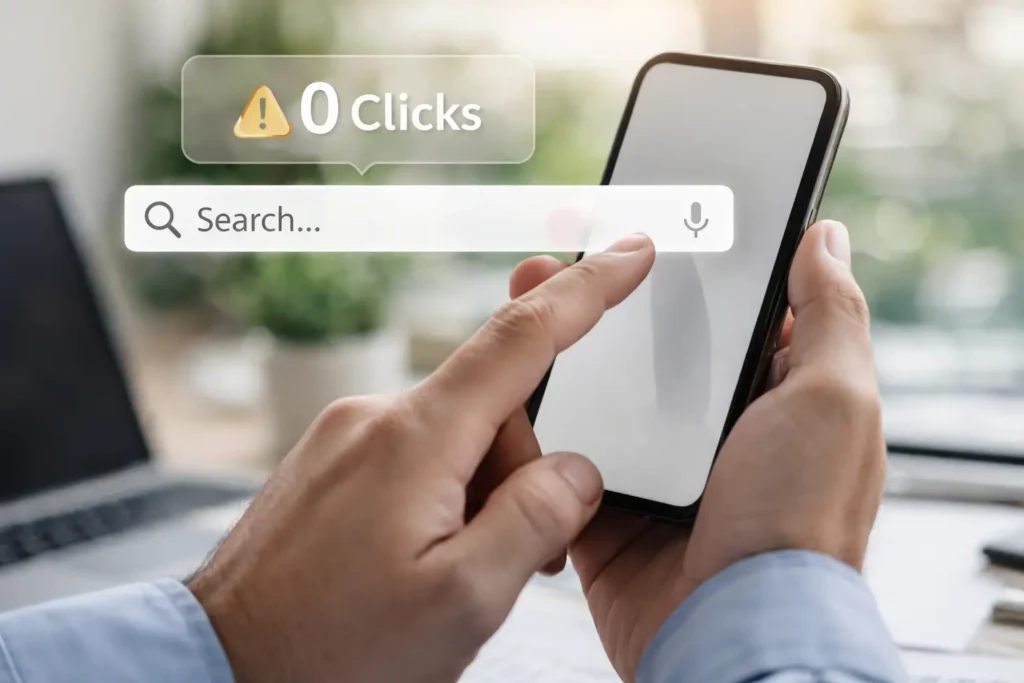
What Zero Click Search Means for Entrepreneurs
Search is changing in a way many entrepreneurs can already feel. More people are getting answers without visiting a website at all, which means businesses now need to think beyond clicks and focus more on visibility, credibility, and being the source that gets remembered.

9
Apr
The Hidden Work Tax Hurting Busy Entrepreneurs Daily
Many entrepreneurs work long hours but still feel like progress is slower than it should be. What often goes unnoticed is the hidden work tax, small but constant drains on time, focus, and energy. Once you start seeing it clearly, you can reduce it and reclaim real momentum.

9
Apr
Think Long Term and Build a Business You Love
It is easy to build a business around urgency, short-term pressure, or whatever seems profitable right now. But the businesses people stay committed to for years are usually built with a longer view, where the work fits their values, strengths, and the kind of life they actually want to live.

9
Apr
A Deep Work System for Distracted Modern Founders
Modern founders are not short on ambition. They are short on uninterrupted attention. In a business environment filled with notifications, admin tasks, AI tools, customer messages, and constant decision-making, deep work is no longer a luxury. It is one of the few real advantages left.

9
Apr
Create a Weekly Reset That Actually Keeps You Sharp
A good weekly reset is not about becoming perfectly organized or turning Sunday into another workday. It is about creating enough clarity, order, and recovery so you can start the next week with a steadier mind and better decisions. For entrepreneurs especially, a simple reset can reduce mental clutter, protect energy, and help important work stop slipping through the cracks.

9
Apr
Build a Productivity Stack Without Creating More Noise
Many entrepreneurs keep adding tools, apps, and systems in the hope of becoming more organized, faster, and more effective. But a bigger productivity stack does not always create better work. In many cases, it adds friction, mental clutter, and more decisions than your business actually needs.

9
Apr
What to Automate First with AI as Founder
AI can save founders real time, but only when it is applied to the right kind of work. The best place to start is not with your most important decisions, but with the repetitive, low-risk tasks that keep interrupting your day. When you automate those first, you create more space for judgment, strategy, and focused work.

9
Apr
Energy Management Matters More Than Time Management Sometimes
Many entrepreneurs try to fix every productivity problem with better scheduling, tighter calendars, and stricter routines. But there are seasons when the real issue is not a lack of time. It is low mental energy, scattered attention, and decision fatigue quietly reducing the quality of your work.

9
Apr
Why Your Task List Never Gets Shorter
For many entrepreneurs, the problem is not that they are lazy or disorganized. It is that their task list has quietly become a storage unit for every idea, obligation, reminder, and unresolved decision in the business. Until you change how that list functions, it will keep growing faster than you can clear it.

9
Apr
Use AI as a Partner, Not a Crutch
AI can help entrepreneurs move faster, think more broadly, and reduce a lot of unnecessary friction. But when it becomes a substitute for judgment, originality, or clear thinking, it starts weakening the very skills a founder needs most. The goal is not to avoid AI. It is to use it in a way that strengthens your work instead of quietly hollowing it out.
9
Apr
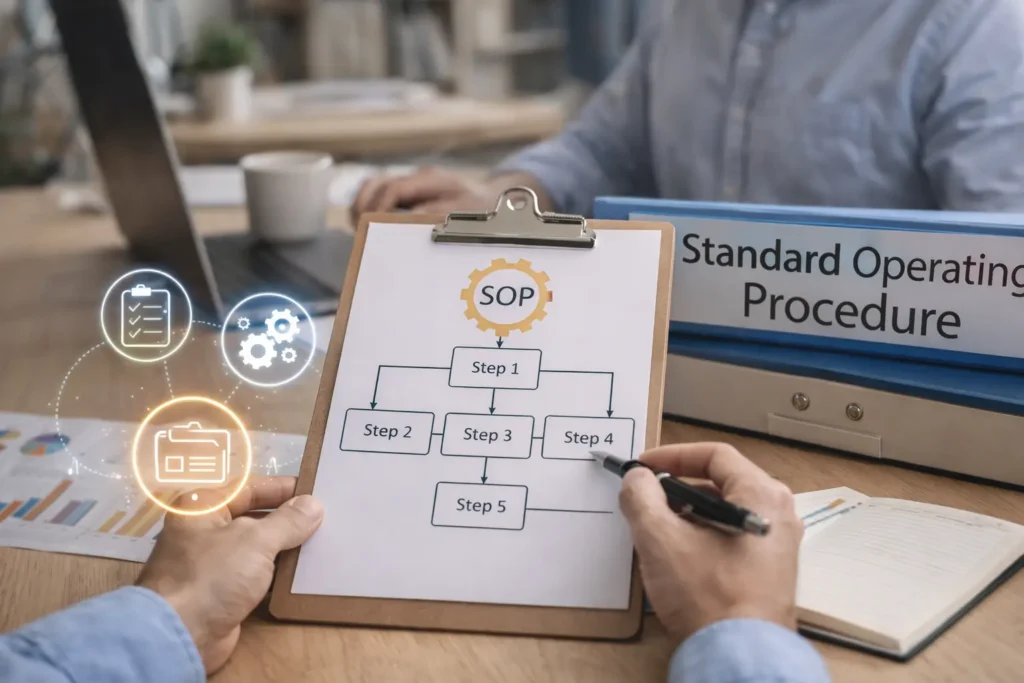
Create SOPs That Save Time and Get Used
Many entrepreneurs know they should document more, but their SOPs often end up too long, too vague, or too disconnected from real work to be useful. A good SOP is not just documentation for its own sake. It is a practical tool that helps work get done faster, more consistently, and with less back-and-forth.

9
Apr
Rebuild Motivation After Slow Sales or Failed Launches
Slow sales and failed launches can do more than hurt revenue. They can shake confidence, drain momentum, and make even capable founders question their direction. But motivation can be rebuilt, not through fake positivity, but through clearer thinking, honest review, and a steadier way of returning to the work.

9
Apr
Why Fewer Goals Often Lead to Bigger Wins
Many entrepreneurs assume bigger growth requires more goals, more projects, and more constant motion. In reality, real progress often accelerates when you narrow your focus, protect your energy, and give a smaller number of priorities the time and depth they actually need.

9
Apr
Stop Comparing Your Business to Everyone Online
Online business can make it feel like everyone else is moving faster, earning more, and building with greater clarity than you are. But constant comparison usually distorts reality, drains focus, and pulls entrepreneurs away from the deeper work that actually creates steady growth.

9
Apr
Detach Your Self Worth from Daily Revenue Swings
For many entrepreneurs, revenue does not just measure business performance. It quietly becomes a measure of personal value, competence, and emotional safety. Learning to separate your identity from daily income swings can lead to better decisions, steadier energy, and a healthier relationship with the business you are trying to grow.
9
Apr
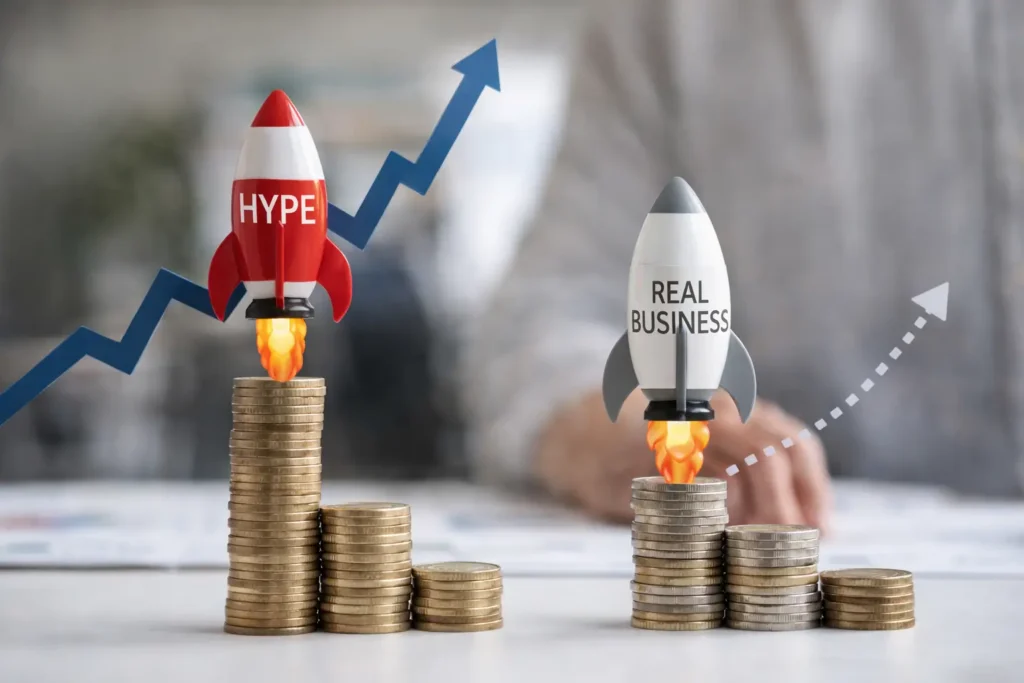
Why Real Businesses Usually Grow Slower Than Hype
Online business culture often makes growth look fast, clean, and dramatic. But most real businesses grow through slower, quieter progress, where consistency, refinement, and patience matter far more than the internet usually admits.

9
Apr
What Mental Toughness Really Looks Like for Founders
Mental toughness in business is often misunderstood as constant intensity, emotional suppression, or the ability to keep pushing no matter what. For founders, real mental toughness is usually quieter and more useful. It shows up in steadiness, honesty, restraint, and the ability to keep thinking clearly under pressure.

9
Apr
Make Better Decisions Under Stress, Pressure, and Fatigue
Entrepreneurs often make their hardest decisions when they are tired, rushed, and carrying too much at once. The goal is not to become perfectly calm before every choice, but to build habits that help you think more clearly, avoid unnecessary mistakes, and respond with better judgment even when pressure is high.

9
Apr
Emotional Consistency Matters More Than Motivation or Discipline
Many entrepreneurs spend too much time trying to feel more motivated or become more disciplined, when the deeper advantage often comes from something quieter. Emotional consistency helps founders think more clearly, recover faster, and keep moving without turning every hard day into a crisis.

9
Apr
Stay Optimistic Without Becoming Naive, Reactive, or Fragile
Optimism can be a real strength in business, but only when it is grounded in reality. For entrepreneurs, the most useful kind of optimism is steady, clear-eyed, and strong enough to face setbacks without collapsing into denial, panic, or false positivity.

9
Apr
Build Quiet Confidence Without Acting Loud or Fake
Confidence in business is often confused with being louder, more certain, or more impressive than everyone else. But for many entrepreneurs, the strongest kind of confidence is quieter. It comes from self-trust, honest effort, and the ability to move forward without needing constant performance or approval.

9
Apr
Why Recovery Is Part of Sustainable Ambition
Ambitious entrepreneurs often treat recovery like a reward they earn after pushing hard enough. In reality, recovery is part of the work itself. It protects clarity, decision making, creativity, and the staying power required to build something meaningful over time.

27
Mar
Mental Clarity: How to Think Better Every Day
Mental clarity is not something a few lucky people naturally wake up with. It is usually the result of better inputs, calmer routines, and small daily habits that reduce noise so your mind can focus on what actually matters.

27
Mar
Why Most People Stay Stuck (And How to Move Forward)
Feeling stuck is rarely just a motivation problem. More often, it comes from hidden patterns like fear, overload, unclear priorities, and waiting for certainty that never arrives. The good news is that progress usually begins with simpler, smaller, and more honest actions than people expect.

27
Mar
Rewiring Negative Thinking Into Clear Decision Making
Negative thinking does more than affect mood. It can quietly distort judgment, magnify risk, and make ordinary business decisions feel heavier than they really are. Entrepreneurs who learn to notice and reframe these patterns can think more clearly, respond more calmly, and make better choices under pressure.

27
Mar
The Difference Between Motivation and Consistency
Motivation can help you start, but consistency is what keeps your business and your life moving when feelings change. Entrepreneurs who understand the difference make better decisions, build steadier habits, and stop relying on emotional momentum to carry important work.

27
Mar
How to Build Self Discipline Without Burning Out
Self discipline is often treated like a test of force, but that approach usually breaks down under real pressure. A more sustainable version comes from building clear routines, reducing friction, and learning how to stay consistent without turning your business and your mind into a punishment system.

27
Mar
The Hidden Habits That Shape Your Daily Thinking
Most people pay attention to their visible routines, but the habits that shape daily thinking are often quieter and harder to notice. The way you start your morning, consume information, respond to stress, and speak to yourself all influence how clearly, calmly, and effectively you move through the day.
How It Works
A Simple Path to Better Growth
Explore Practical Guidance
Read our clear, helpful content on mindset, productivity, and entrepreneurship.
Use Helpful Resources
Download planners, workbooks, and digital tools designed to help you stay consistent with your goals.
Apply What Matters
Discover trusted tools & curated recommendations that support your progress in both life and business.